01 / 03
01 · Explore the roll
Supplied together.
PVC film is wound with interleaving paper between the turns. The paper reduces contact between surfaces while the material is on the roll.
Understand paper and powder
Home and décor
Clear PVC with Interleaving Paper is a transparent, soft and flexible PVC sheet, supplied with interleaving paper between the roll's layers. The separator reduces direct contact between surfaces during handling.
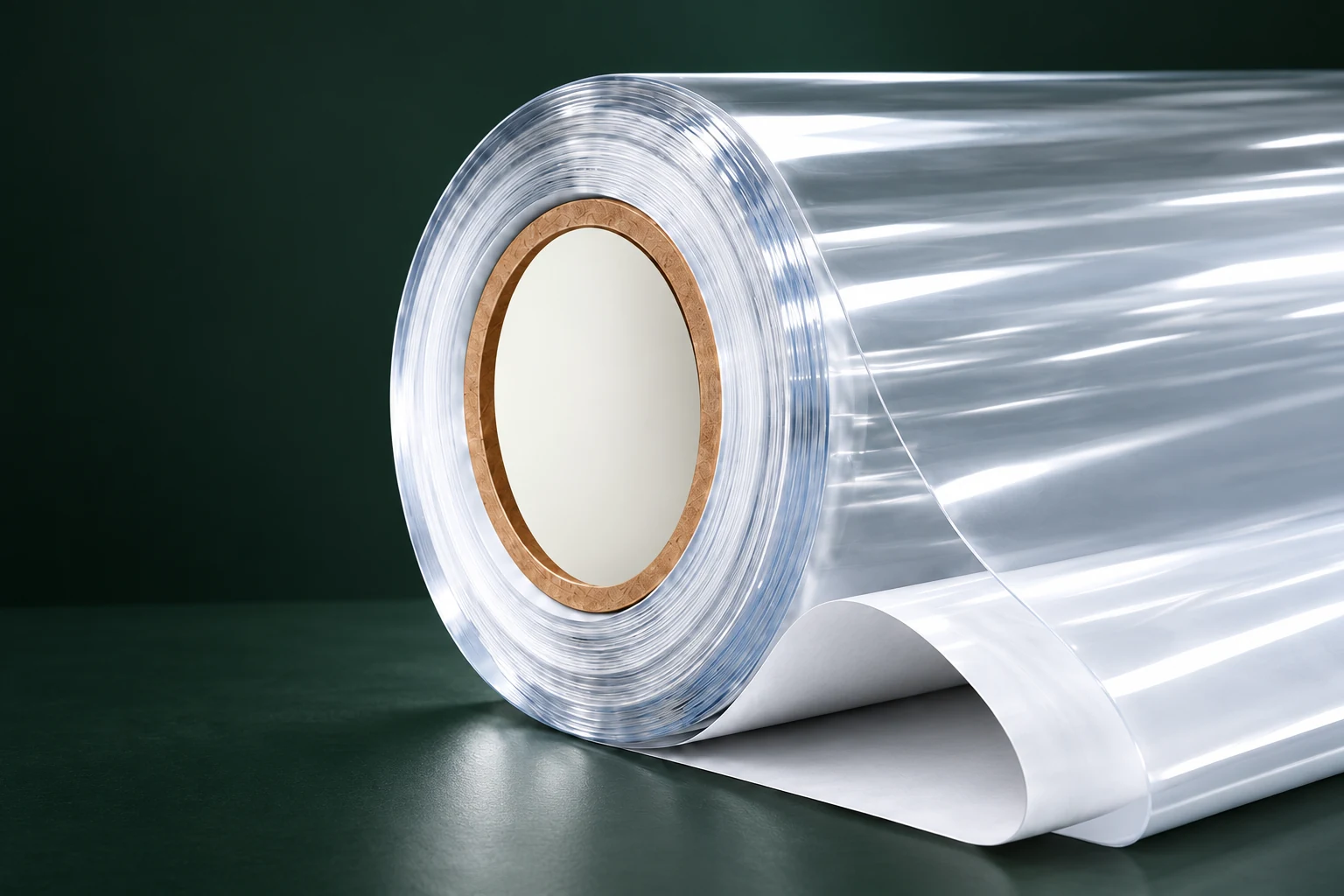
Clear PVC with Interleaving Paper · Inside the material
Follow the journey from roll to finished item. Scrolling reveals what remains in the product and what is part of the supply format.
01 · Explore the roll
PVC film is wound with interleaving paper between the turns. The paper reduces contact between surfaces while the material is on the roll.
Understand paper and powder02 · Separate the roles
During handling, the paper is removed. It is not bonded to the PVC and is not part of the transparent item. The illustration separates the layers to make this difference visible.
Discuss my process03 · Choose by application
Light, Medium, Heavy and Extra guide selection according to the application. Describe whether you will make a covering, table protector, cover, bag or viewing panel. Confirm the configuration and validate a sample.
Evaluate a sampleHow to choose this material
A table protector, a bag and a viewing panel require different assessments. Start with the application, compare the sample's flexibility and define the joining process. The line name guides selection; the full configuration completes the specification.
Light is the starting selection for tablecloths and coverings; Medium for tables and covers; Heavy for protectors and bags; Extra for viewing panels in awnings and coverings. Use this relationship as a starting point and confirm the item's configuration.
Assess a sample over the surface or object that will be visible. Observe the visual result, body and handling at the intended size. The interleaving paper is removed during use; it is not part of the finished item.
Sewing and high-frequency or hot-air welding are processes presented for the line. Specify equipment, joint design and expected exposure. For outdoor viewing panels, validate the configuration with the team before defining its application in the project.
Material in context
Tablecloths, covers and viewing panels call for different configurations. Start with the use and choose the film line.
The Light line is the starting point for items that follow the surface. Assess the sample on the table and consider dimensions and finish.
The Medium line is presented for table protection and cover fabrication. Compare the desired body with the item's shape and handling.
The Heavy line is part of the selection for items that need more body. Assess the complete construction, including folds, closures and the method used to join panels.
The Extra line is presented for viewing panels in awnings and coverings. Include dimensions, fastening and exposure conditions in the technical assessment of the chosen configuration.
Prepare for the technical discussion
Include this information when speaking with the team.
Specifications for selecting
A reference for comparing and preparing your order.
Open summary to print or saveConfirm the configuration, tolerances, sample book and availability with the team before ordering. Suitability depends on the application and process.
Helpful answers
No. The paper sits between the roll's layers as a separator, reducing direct contact between surfaces during winding and handling. It is removed during use. The material in the finished item is the transparent PVC sheet.
Start with the use: Light for tablecloths and coverings, Medium for tables and covers, Heavy for protectors and bags, Extra for viewing panels in awnings and coverings. Then compare the sample and confirm the configuration for the item's dimensions and construction.
The line's presentation includes sewing and high-frequency or hot-air welding. The choice should consider the item design and equipment used. Test the joint in the chosen configuration and seek technical guidance before producing the batch.
Keep the material protected from sunlight and heat, following the line's guidance. Keep the interleaving paper in place until use and organise handling to protect the surface. Request the instructions for the configuration and format purchased.
Specify whether the material will be resold by the metre or converted, what item will be made and the desired body. Include measurements, joining process and expected exposure. With this context, the team can recommend a line and confirm samples, dimensions and supply conditions.
Continue your selection
Materials with distinct purposes. Compare applications before choosing a substitute.
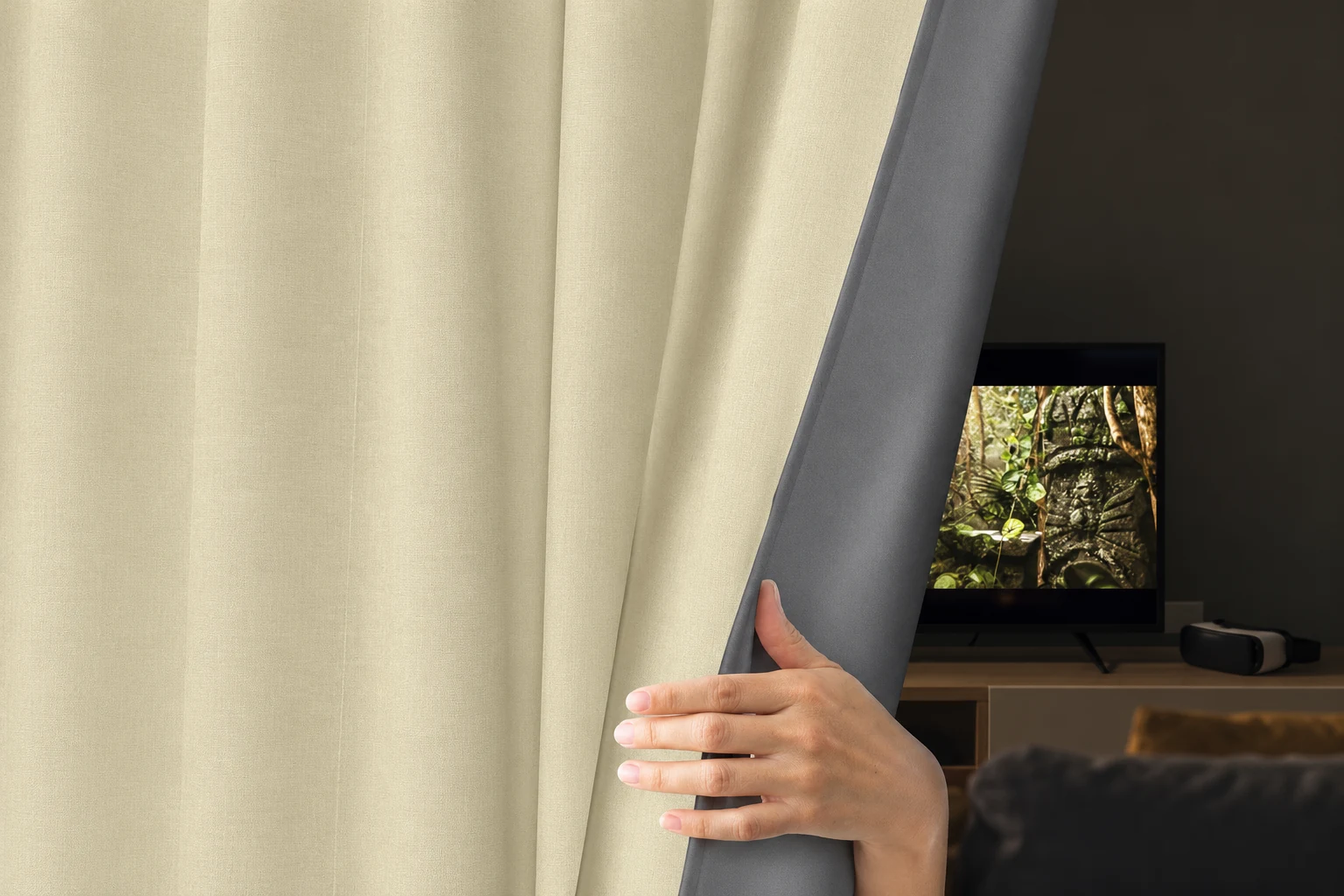 Home and décor
Discover Veda Prime, blackout PVC for curtains and linings. Compare faces, finishes and fabrication criteria to specify the material for your project.
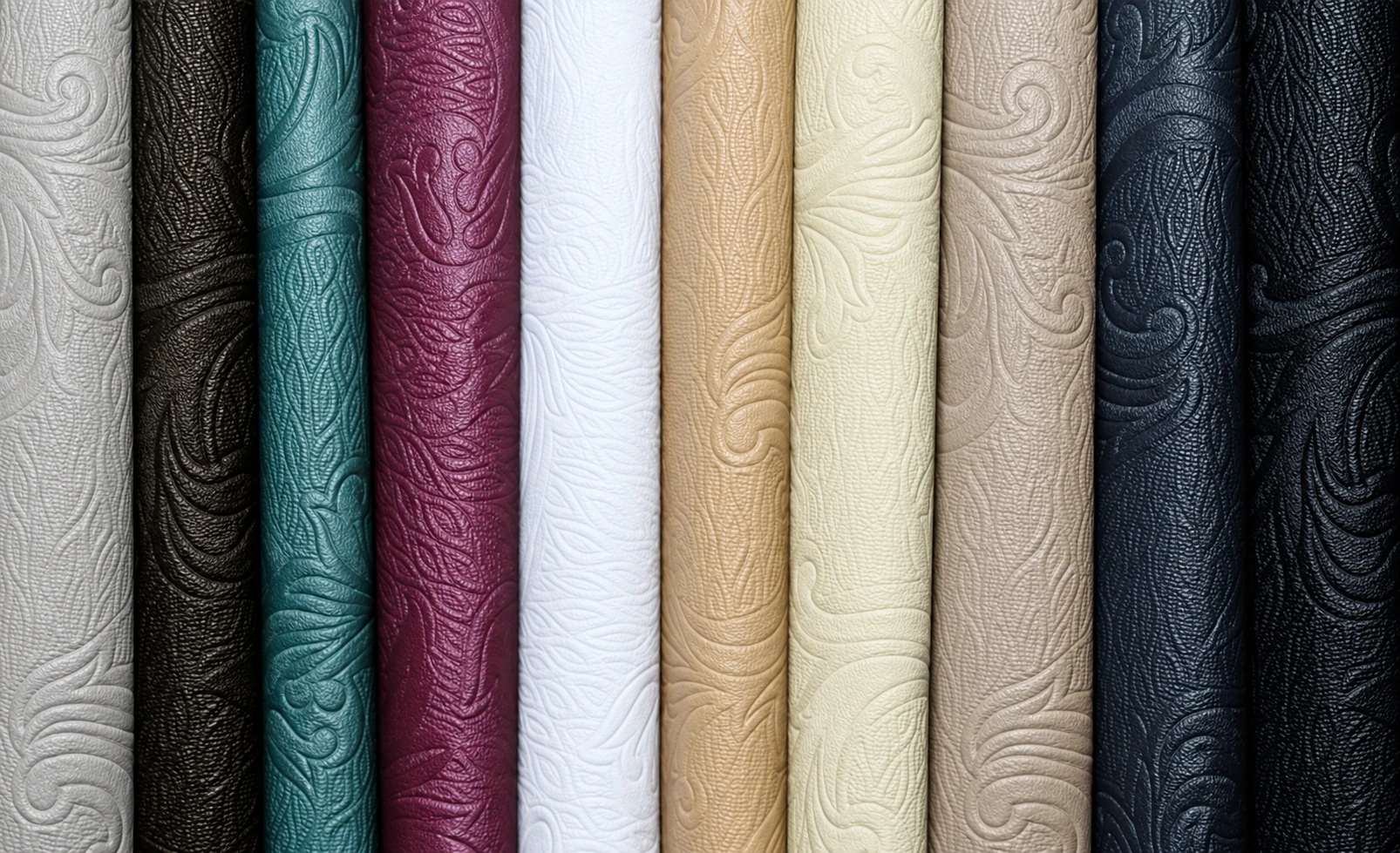 Home and décor
Discover Couronil Spring for washing machine covers, shoe organisers and household items. Learn how to assess the floral embossing, cutting and care.
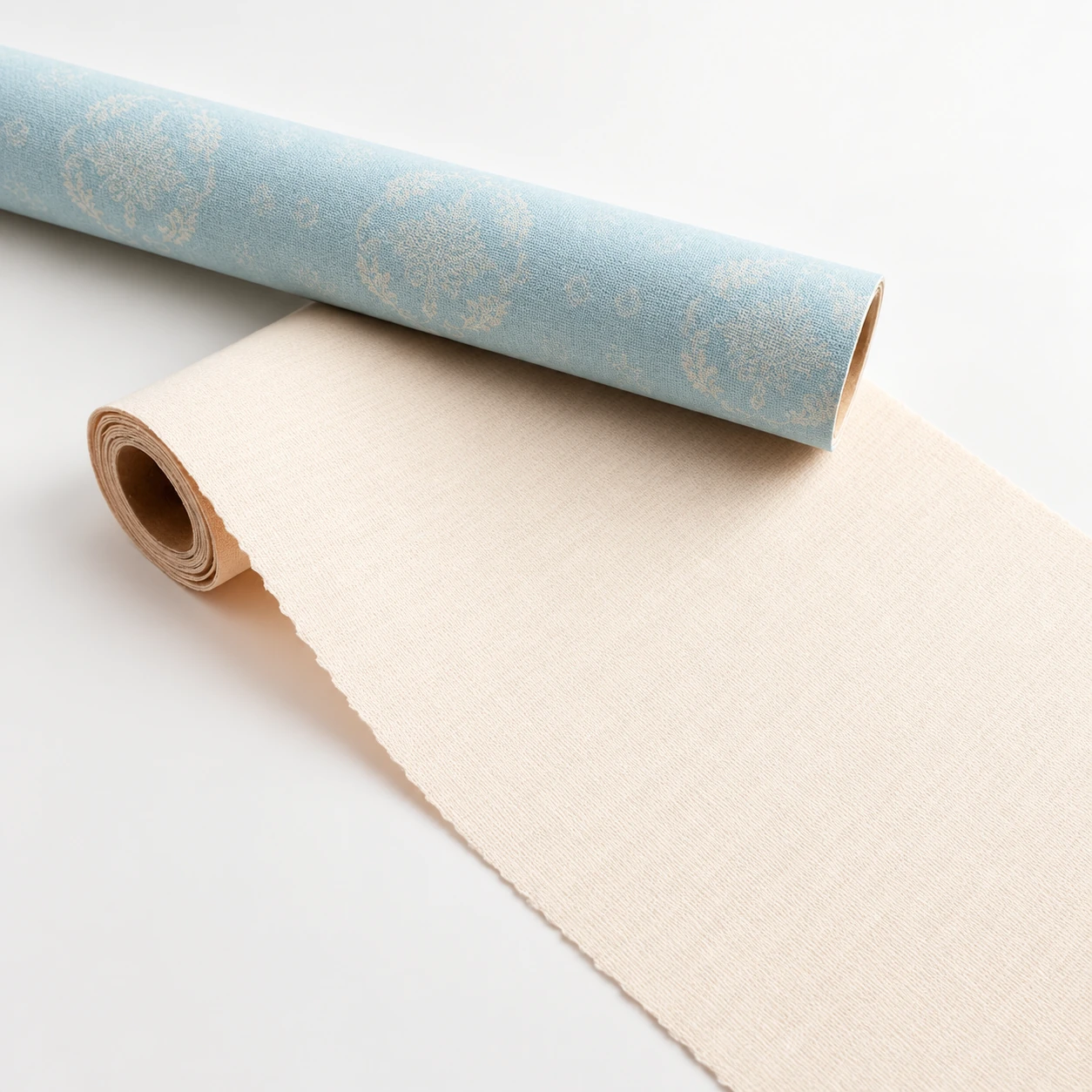 Home and décor
Discover Decorative Flexible PVC for covers, linings, stationery and promotional items. Compare finish, format and process to choose the material for your manufacturing process.